
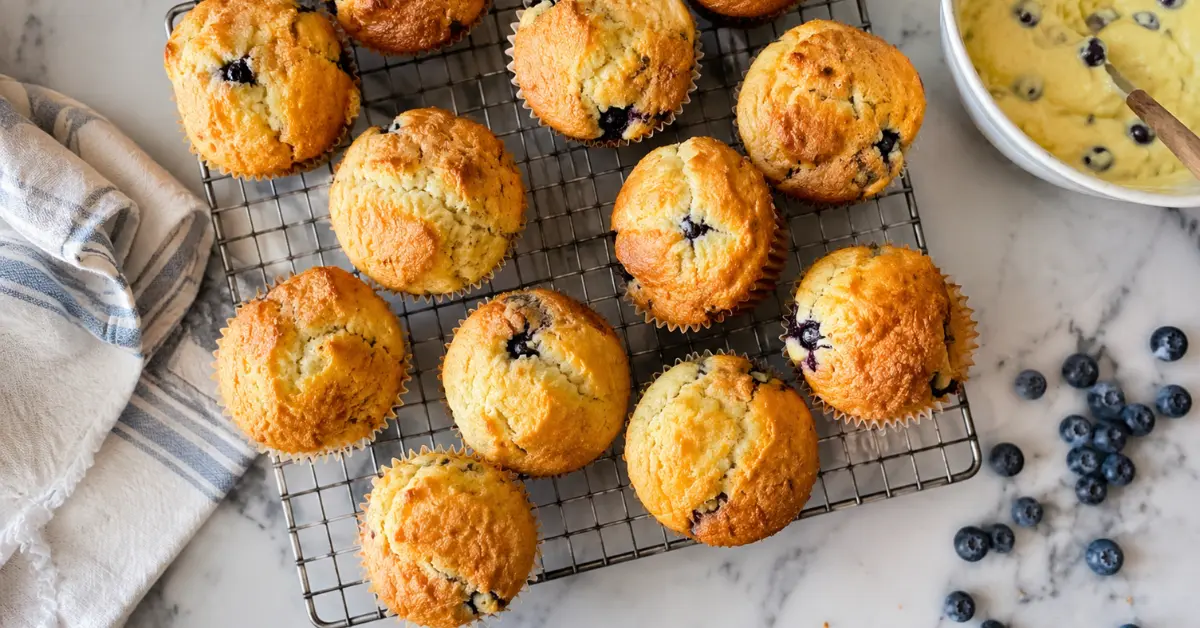
This simple moist muffin recipe is perfect when you want soft, fluffy homemade muffins with basic pantry ingredients. Making muffins from scratch sounds complicated, but it really isn’t.
You probably have everything you need in your kitchen right now. This basic muffin recipe creates tender, bakery-style muffins every single time.
The secret is in the technique, not fancy ingredients. With just a few simple steps, you’ll have warm muffins ready in under 30 minutes.
Whether you want breakfast muffins for the week or a quick snack, this recipe delivers. The batter prepared muffin base works for countless flavor variations too.
Debra’s Testing Notes
When I tested this simple moist muffin recipe, I found that mixing the batter gently made the biggest difference. Overmixing gave the muffins a tighter texture, while folding the ingredients just until combined kept the crumb soft and tender. I also let the batter rest for a few minutes before baking, which helped the muffins rise with better domed tops.
Why You’ll Love This Simple Moist Muffin Recipe
These muffins check every box for home bakers. The texture stays soft for days, which makes them perfect for meal prep.
You don’t need special equipment or hard-to-find ingredients. A large bowl, a whisk, and a muffin tin are all you need to get started.
- Incredibly soft and fluffy texture that melts in your mouth
- Easy enough for absolute beginners to master
- Made with simple ingredients you already have
- Endlessly customizable with your favorite mix-ins
- Perfect for breakfast, snacks, or lunchboxes
- Stays moist at room temperature for several days
The basic muffin formula is forgiving. Even if you make small mistakes, the muffins still turn out delicious.
This recipe uses oil instead of butter, which keeps the muffins tender. Oil creates a moist crumb that doesn’t dry out overnight.
If you enjoy simple homemade breakfasts, you may also like these vegan breakfast recipes for more easy morning ideas.
Ingredients for This Simple Moist Muffin Recipe
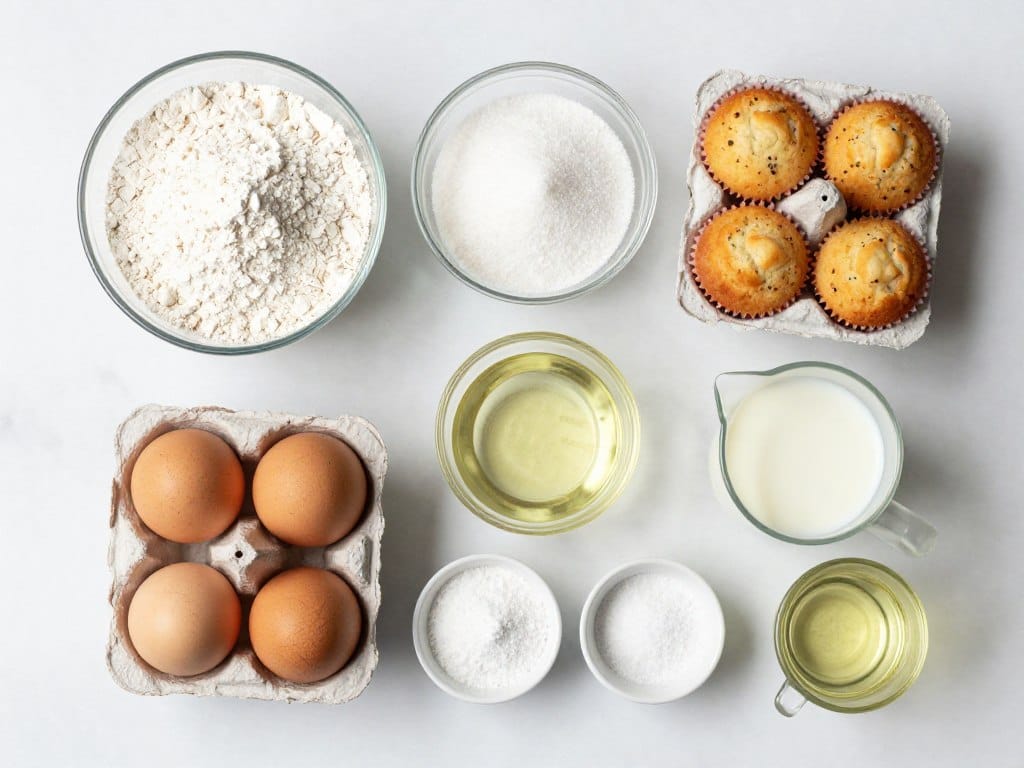
Simple ingredients for muffins make this recipe accessible to everyone. You won’t need to run to the store for specialty items.
This basic muffin recipe with oil creates the perfect texture. The combination of milk and oil keeps everything tender and moist.
Dry Ingredients
- 2 cups (250g) all-purpose flour
- 3/4 cup (150g) granulated sugar
- 2 1/2 teaspoons baking powder
- 1/2 teaspoon baking soda
- 1/2 teaspoon salt
Wet Ingredients
- 2 large eggs at room temperature
- 1 cup (240ml) whole milk at room temperature
- 1/2 cup (120ml) vegetable oil or canola oil
- 2 teaspoons vanilla extract
The simple muffin recipe with milk creates a tender crumb. Whole milk works best, but you can substitute with 2% milk if needed.
Room temperature ingredients mix together more easily. Cold eggs and milk can create lumps in your batter.
Optional Add-Ins
- 1 cup fresh or frozen blueberries
- 1 cup chocolate chips
- 1 cup chopped nuts
- Zest from 1 lemon
How to Make a Simple Moist Muffin Recipe Step by Step
Making muffins is straightforward when you follow these steps. The key is to avoid overmixing the batter prepared muffin mixture.
Set everything up before you start. Preheat your oven and prepare your muffin tin first.
Mix the Dry Ingredients
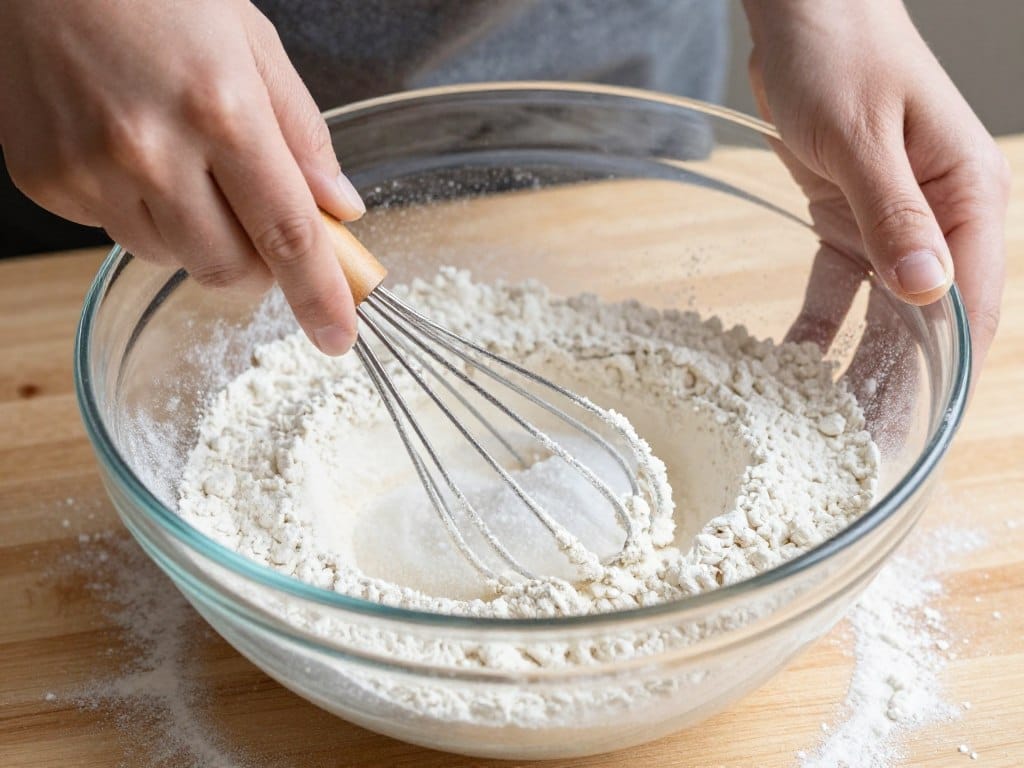
Preheat your oven to 375°F (190°C). Line a muffin tin with paper liners or grease each cup well.
Take a large bowl and add your flour, sugar, baking powder, baking soda, and salt. Whisk everything together for about 30 seconds.
This step distributes the baking powder and baking soda evenly. Even distribution means every muffin rises the same height.
Whisk the Wet Ingredients
In a separate bowl, crack your eggs and whisk them lightly. Add the milk, oil, and vanilla extract.
Whisk until everything combines into a smooth mixture. The color should be pale yellow and uniform.
Make sure your eggs and milk are at room temperature. Cold ingredients can cause the oil to clump instead of blending smoothly.
Combine Gently
Pour the wet ingredients into the dry ingredients. Use a rubber spatula or wooden spoon to fold everything together.
Stop mixing as soon as you no longer see dry flour. The batter should look lumpy and rough.
Overmixing develops gluten in the flour, which makes muffins tough and dense. A few lumps in the batter are perfectly fine.
If you’re adding chocolate chips, blueberries, or other mix-ins, fold them in now. Use a gentle hand to avoid crushing delicate ingredients.
Fill the Muffin Cups
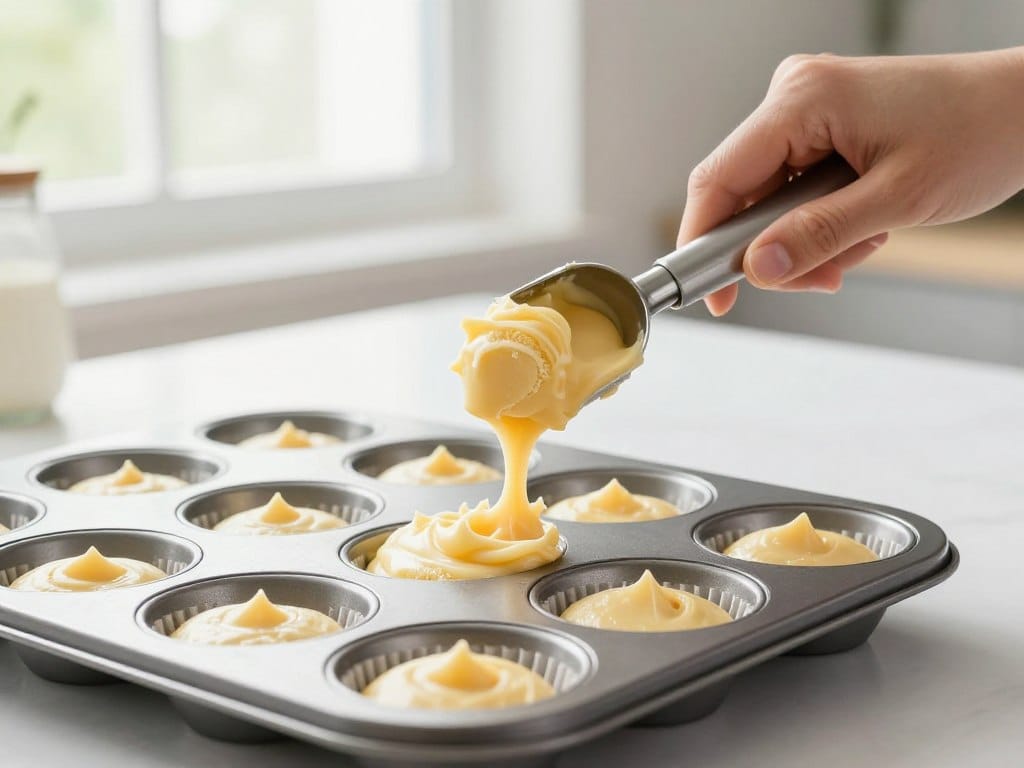
Use an ice cream scoop or a 1/4 cup measuring cup to portion the batter. Fill each muffin cup about two-thirds full.
This gives the muffins room to rise without overflowing. Consistent portioning means all your muffins bake evenly.
If you have empty cups in your muffin pan, fill them halfway with water. This helps the muffins bake evenly.
Bake Until Golden
Place the muffin tin in the center of your preheated oven. Bake for 18 to 22 minutes.
Watch for golden brown tops and a slight spring when you touch the center. Insert a toothpick into the center of one muffin.
It should come out clean or with just a few moist crumbs. If you see wet batter, bake for another 2 to 3 minutes.
Let the muffins cool in the pan for 5 minutes. Then transfer them to a wire rack to cool completely.
Tips for Moist and Fluffy Muffins
Small details make a big difference in muffin texture. Following these tips guarantees success every time.
Do Not Overmix
This is the most important rule for tender muffins. Mix just until the dry ingredients disappear.
The batter should look lumpy and rough. Smooth batter means you’ve overmixed, which creates tough muffins.
Count your stir strokes if it helps. About 15 to 20 gentle folds is usually enough.
Use Oil for Moisture
Oil keeps muffins moist longer than butter does. Butter solidifies when cold, which can make muffins feel dry.
Oil stays liquid at room temperature. This keeps the crumb soft even days after baking.
Vegetable oil, canola oil, or light olive oil all work well. Avoid strongly flavored oils that might compete with your muffin flavor.
Do Not Overbake
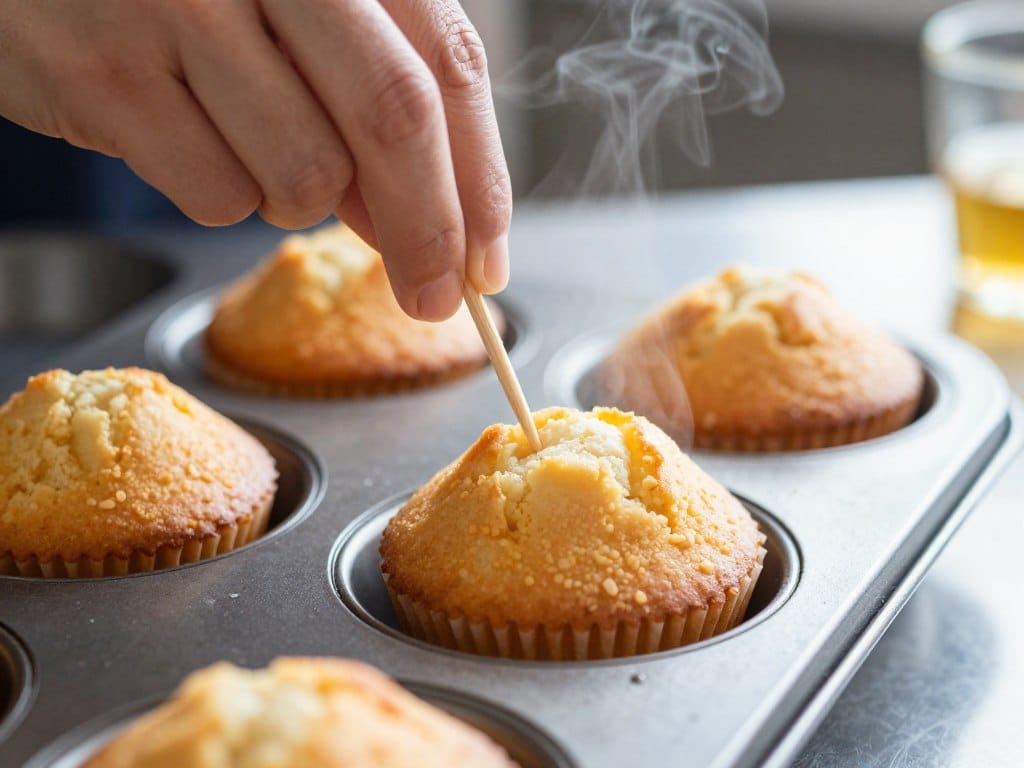
Check your muffins at the minimum baking time. Oven temperature varies between different models.
The tops should be golden and spring back when touched lightly. A toothpick inserted in the center should come out clean.
Overbaked muffins turn dry and crumbly. Set a timer and check early rather than late.
Measure Flour Correctly
Too much flour is the most common baking mistake. It makes muffins dense and dry.
Fluff your flour in the container first. Then spoon it into your measuring cup and level it off with a knife.
Never scoop directly from the bag. This packs too much flour into the cup.
Let Batter Rest Briefly If Needed
If your schedule allows, let the batter rest for 10 minutes before baking. This lets the flour hydrate fully.
The baking powder also starts working during this rest time. You might see small bubbles forming on the surface.
This step isn’t required, but it can create slightly lighter muffins. It’s useful when you’re multitasking in the kitchen.
Chef Tip
Do not overmix the batter. Once the flour disappears, stop mixing. A few small lumps are fine and actually help keep the muffins soft instead of dense.
Easy Variations for This Basic Muffin Recipe
This basic muffin recipe with variations makes it easy to create different flavors from one batter. The base recipe is your blank canvas.
Add your favorite ingredients to customize these muffins. Each variation follows the same simple method. If you love sweet bakery-style treats, these Cadbury egg cookies are another fun recipe to try.
Blueberry Muffins
Fold 1 cup of fresh or frozen blueberries into the batter at the very end. If using frozen berries, don’t thaw them first.
Frozen blueberries stay intact better during mixing. Toss them with a tablespoon of flour before folding in.
This prevents the berries from sinking to the bottom. Add a teaspoon of lemon zest for extra flavor.
Chocolate Chip Muffins
Stir 1 cup of chocolate chips into the finished batter. Semi-sweet chocolate chips are classic.
Dark chocolate chips create a more intense flavor. Milk chocolate chips make sweeter muffins.
You can also use a mix of different chocolate types. Save a few chips to press into the tops before baking.
Banana Muffins
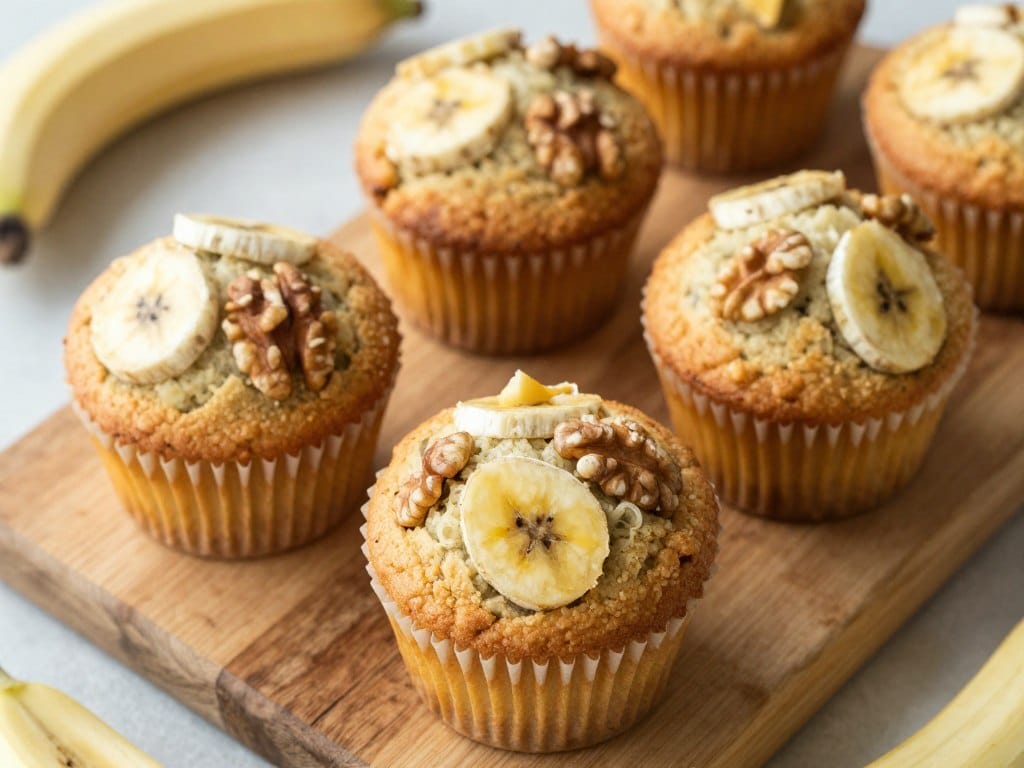
Mash 2 ripe bananas and reduce the milk to 3/4 cup. Mix the mashed banana with the wet ingredients.
Reduce the sugar to 1/2 cup since bananas add natural sweetness. Add 1/2 teaspoon cinnamon if you like.
Chopped walnuts or pecans make a great addition. Use about 1/2 cup of nuts.
Lemon Muffins
Add the zest of 2 lemons to the dry ingredients. Replace the vanilla extract with 1 tablespoon of fresh lemon juice.
For extra lemon flavor, make a simple glaze. Mix 1 cup powdered sugar with 2 tablespoons lemon juice.
Drizzle the glaze over cooled muffins. The tangy flavor pairs perfectly with tea or coffee.
Cinnamon Sugar Muffins
Add 1 teaspoon ground cinnamon to the dry ingredients. Before baking, brush muffin tops with melted butter.
Mix 2 tablespoons sugar with 1/2 teaspoon cinnamon. Sprinkle this mixture over the buttered tops.
The topping creates a sweet, crunchy crust. These taste like cinnamon donuts in muffin form.
Can You Make This Muffin Recipe With Oil and Milk?
Yes, and it’s actually the best combination for moist muffins. This simple moist muffin recipe with oil and milk creates superior texture.
Oil keeps muffins tender at room temperature. Butter-based muffins can feel dry when cold because butter solidifies.
Milk adds moisture and helps create a tender crumb. The proteins in milk also help the muffins brown nicely.
Why Oil Works Better Than Butter
Oil coats flour proteins more effectively than butter. This limits gluten development, which keeps muffins soft.
Butter contains water, which can make muffins slightly drier. Oil is pure fat with no water content.
The flavor difference is minimal in muffins. Most people can’t tell the difference in the finished product.
Best Types of Oil to Use
Neutral-flavored oils work best for muffins. Vegetable oil and canola oil are the most common choices.
Light olive oil works if you want a slightly richer flavor. Avoid extra virgin olive oil, which can taste too strong.
Coconut oil can work, but melt it first. The flavor will be slightly different from neutral oils.
Can You Substitute the Milk?
Whole milk creates the richest texture. The fat content keeps everything moist and tender.
You can use 2% milk with good results. The muffins will be slightly less rich but still delicious.
For dairy-free muffins, use unsweetened almond milk or oat milk. Add an extra tablespoon of oil to compensate for lower fat content.
Sour cream can replace half the milk for extra tangy flavor. Use 1/2 cup sour cream and 1/2 cup milk.
Basic Muffin Recipe in Grams
Many bakers prefer metric measurements for accuracy. This basic muffin recipe in grams is identical to the cup measurements.
Weighing ingredients eliminates measuring cup variations. It’s the most precise way to bake.
Metric Ingredient List
Dry Ingredients:
- 250g all-purpose flour
- 150g granulated sugar
- 12g baking powder (about 2 1/2 teaspoons)
- 3g baking soda (about 1/2 teaspoon)
- 3g salt (about 1/2 teaspoon)
Wet Ingredients:
- 100g eggs (about 2 large eggs)
- 240g whole milk
- 120g vegetable oil
- 10g vanilla extract (about 2 teaspoons)
Converting Temperatures
Bake at 190°C (375°F) for 18 to 22 minutes. Use an oven temperature of 190°C for best results.
Most European ovens are quite accurate. Check your muffins at 18 minutes to avoid overbaking.
Tips for Metric Baking
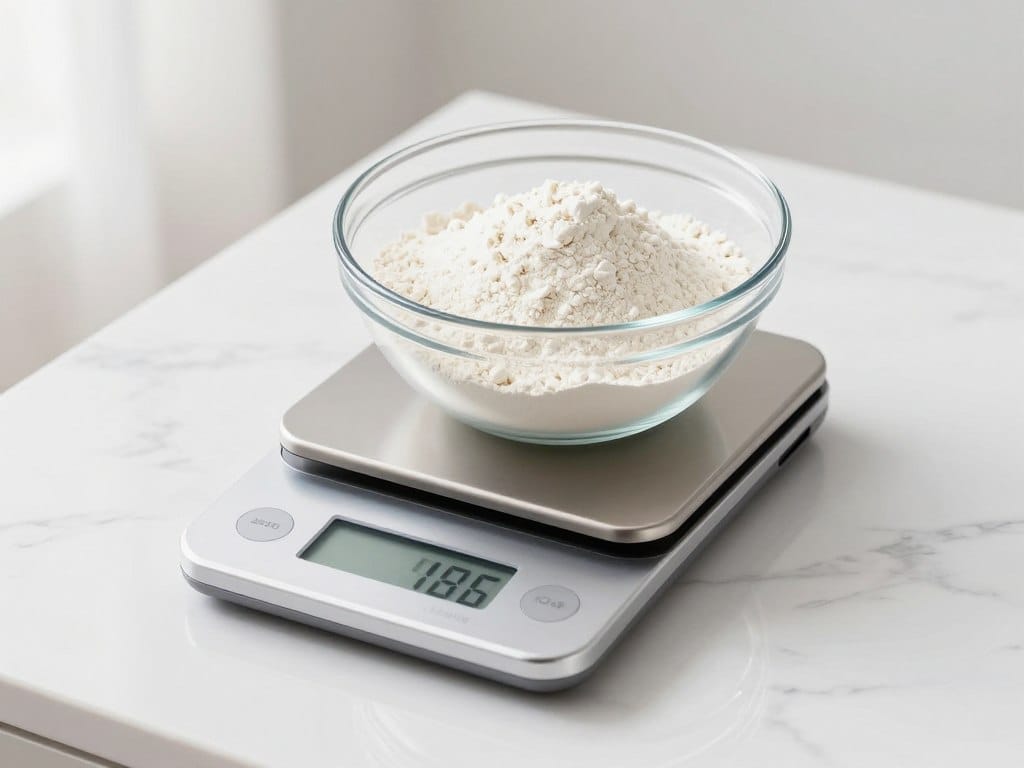
Use a digital kitchen scale for the most accurate measurements. Place your bowl on the scale and zero it out.
Add each ingredient directly to the bowl. Zero the scale between ingredients if you want to measure in the same bowl.
Liquid and dry ingredients can both be measured by weight. This is actually easier than using multiple measuring cups.
How to Store Muffins
Proper storage keeps muffins fresh and moist. These simple storage methods work for any muffin recipe.
Room Temperature Storage
Store cooled muffins in an airtight container at room temperature. They stay fresh for 2 to 3 days.
Never store warm muffins in a sealed container. The trapped steam makes them soggy.
Wait until muffins cool completely to room temperature. Then transfer them to your storage container.
Line the bottom of the container with a paper towel. This absorbs excess moisture and prevents sogginess. For general food safety and proper storage guidelines, you can refer to the USDA Food Safety and Inspection Service for best practices on handling homemade baked goods.
Refrigerator Storage
Refrigerating muffins extends their life to about 1 week. Use an airtight container to prevent them from drying out.
The cold temperature firms up the texture slightly. Let muffins sit at room temperature for 10 minutes before eating.
You can also warm refrigerated muffins in the microwave. Heat for 10 to 15 seconds on medium power.
Freezer Storage
Muffins freeze beautifully for up to 3 months. Wrap each muffin individually in plastic wrap.
Place wrapped muffins in a freezer bag or airtight container. Label the container with the date and flavor.
To thaw, leave muffins at room temperature for 1 to 2 hours. Or microwave frozen muffins for 30 to 45 seconds.
You can also reheat frozen muffins in a 300°F oven. Wrap them in foil and warm for 15 to 20 minutes.
Frequently Asked Questions
What makes muffins moist?
Oil is the secret to moist muffins. Unlike butter, oil stays liquid at room temperature and keeps the crumb tender for days.
The right amount of liquid matters too. This recipe uses milk, which adds moisture and helps create soft texture.
Not overbaking is equally important. Muffins continue cooking slightly after you remove them from the oven, so take them out when just barely done.
Is oil better than butter for muffins?
Oil creates moister muffins that stay soft longer. Butter solidifies when cold, which can make muffins feel dry after refrigeration.
Oil coats flour proteins more effectively, limiting gluten development. This results in a more tender crumb texture.
The flavor difference is minimal in most muffin recipes. The other ingredients like vanilla, chocolate, or fruit provide the main flavor anyway.
Can I use milk in muffin batter?
Yes, milk is essential for tender muffins. This simple muffin recipe with milk creates better texture than water-based recipes.
Whole milk works best because the fat content adds richness. You can substitute 2% milk with slightly less rich results.
For dairy-free options, use unsweetened almond milk or oat milk. Add an extra tablespoon of oil to compensate for the lower fat content.
Why are my muffins dry?
Overbaking is the most common cause of dry muffins. Check them at the minimum baking time and remove them as soon as a toothpick comes out clean.
Too much flour makes muffins dense and dry. Always measure flour by spooning it into the cup and leveling it off.
Overmixing develops too much gluten, which creates a tough, dry texture. Mix just until the dry ingredients disappear from the batter.
Can I add fruit or chocolate chips?
Absolutely! This basic muffin works perfectly with add-ins. Fold in 1 cup of your chosen ingredient at the very end.
For frozen blueberries, don’t thaw them first. Toss them with a tablespoon of flour to prevent sinking.
Chocolate chips, nuts, dried fruit, and fresh berries all work beautifully. Just avoid adding more than 1 cup total, or the muffins won’t hold together properly.
How do I know when muffins are done?
Insert a toothpick into the center of a muffin. It should come out clean or with just a few moist crumbs.
The tops should be golden brown and spring back when touched lightly. If your finger leaves an indent, bake for another 2 to 3 minutes.
Watch the edges too. They should start pulling away slightly from the sides of the muffin tin.
Can I make mini muffins with this recipe?
Yes, this batter works great for mini muffins. Fill mini muffin cups about two-thirds full.
Reduce the baking time to 10 to 12 minutes. Check them early since mini muffins bake much faster.
This recipe makes about 36 to 40 mini muffins. They’re perfect for kids’ lunchboxes or parties.
Do I need paper liners for muffin tin?
Paper liners make cleanup easier and help muffins release cleanly. They’re not required but highly recommended.
If you skip liners, grease the muffin pan very well. Use butter or non-stick spray in every cup.
Let muffins cool for 5 minutes before removing from the pan. Run a knife around the edges to help them release.
Conclusion
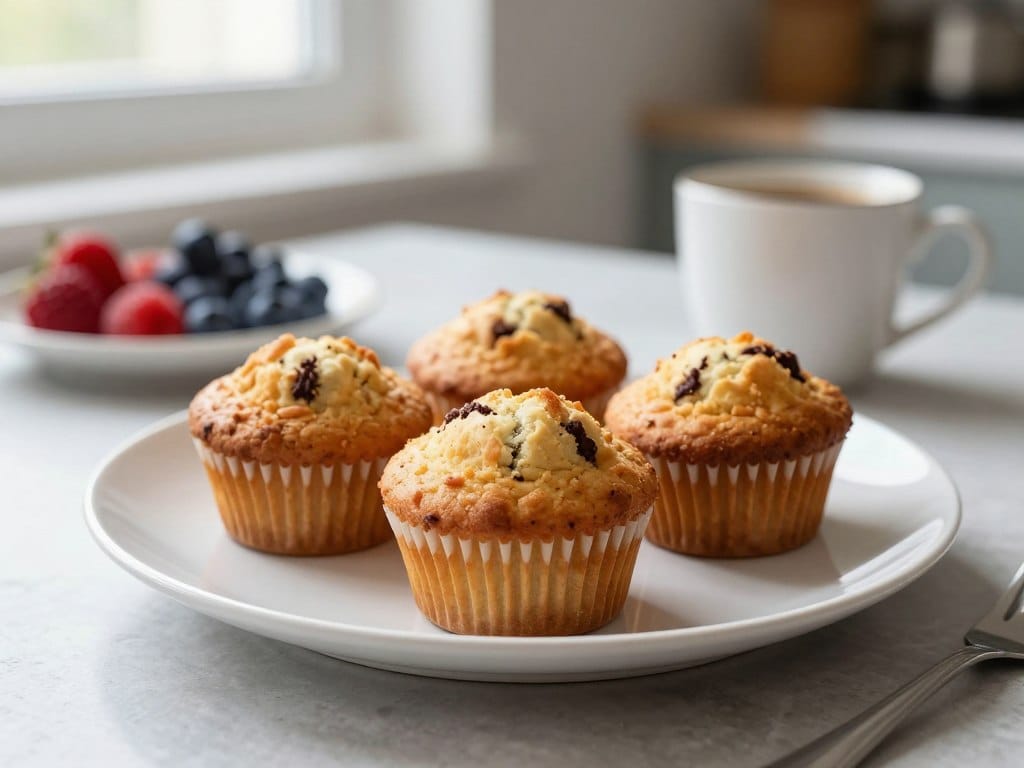
This simple moist muffin recipe gives you bakery-quality results every single time. The combination of oil and milk creates tender muffins that stay soft for days.
You now have a reliable basic muffin foundation. Use it to create endless flavor variations based on what you have on hand.
The technique is more important than fancy ingredients. Mix gently, measure carefully, and don’t overbake for perfect muffins.
Start with the plain version to master the technique. Then experiment with chocolate chips, blueberries, or any other mix-ins you love.
These muffins make breakfast easier and more delicious. Bake a batch on Sunday for grab-and-go breakfasts all week long.
Remember that practice makes perfect. Each batch you make will turn out even better as you learn your oven’s quirks.
For another easy homemade sweet, try these peanut butter Easter eggs for a simple no-bake treat.
Share this recipe with friends who love homemade baked goods. Everyone needs a reliable go-to muffin recipe in their collection.
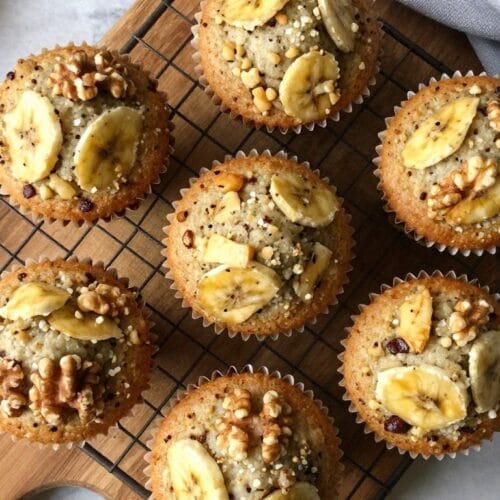
Simple Moist Muffin Recipe
Equipment
- 12-cup muffin tin
- Muffin paper liners
- Large mixing bowl
- Medium mixing bowl or jug
- Whisk
- Rubber spatula
- Measuring cups and spoons
- Kitchen scale
- Wire cooling rack
- Toothpick
Ingredients
Dry Ingredients
- 250 g All-purpose flour Spooned and levelled — do not scoop directly from bag
- 150 g Granulated sugar
- 2 tsp Baking powder
- 0.5 tsp Salt
Wet Ingredients
- 240 ml Milk Whole or semi-skimmed; oat or almond milk also works
- 80 ml Vegetable oil Or any neutral-flavoured oil such as sunflower or canola
- 2 Large eggs Room temperature for best results
- 1 tsp Vanilla extract
Instructions
- Preheat and prepare. Preheat your oven to 200°C (400°F / Gas Mark 6). Line a 12-cup muffin tin with paper liners or lightly grease each cup with oil or butter.
- Mix the dry ingredients. In a large bowl, whisk together the flour, sugar, baking powder, and salt until evenly combined. Create a small well in the centre of the dry mixture.
- Whisk the wet ingredients. In a separate jug or medium bowl, whisk together the milk, vegetable oil, eggs, and vanilla extract until smooth and fully combined.
- Combine gently. Pour the wet ingredients into the well of the dry ingredients. Fold together using a rubber spatula with just 10–12 strokes. The batter will look lumpy — this is perfectly normal and desirable. Do not overmix or your muffins will turn out dense and tough.
- Fill the muffin cups. Divide the batter evenly among the 12 prepared muffin cups, filling each about two-thirds full. Overfilling will cause the muffins to spread flat rather than rise into a nice dome.
- Bake until golden. Bake for 18–22 minutes, until the tops are golden brown and a toothpick inserted into the centre of a muffin comes out clean. Do not open the oven door before 18 minutes.
- Cool and serve. Remove from the oven and let the muffins cool in the tin for 5 minutes. Then transfer to a wire cooling rack. Serve warm or at room temperature.