
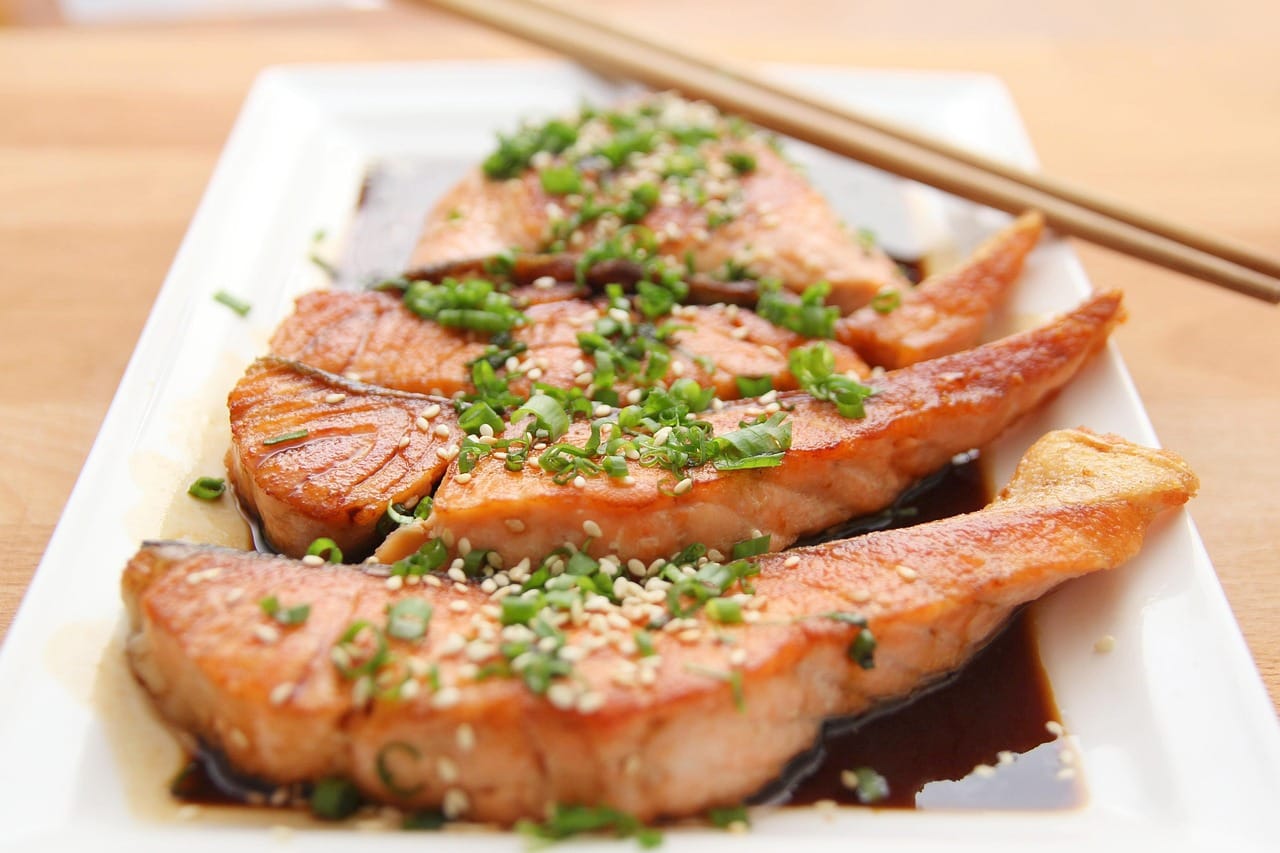
Salmon is now the second most-consumed seafood species in the United States, at 3.51 pounds per person in 2023 — up from 3.22 pounds the year before (National Fisheries Institute, “Top 10” seafood consumption list, sourced from NOAA Fisheries data, published March 2026). At the same time, sweet-savory glazes like honey garlic are showing up on more menus than ever, part of the broader “swicy” flavor wave tracked by menu-research firm Datassential (Datassential, 2026). This recipe sits right at that intersection.
This baked honey garlic salmon comes together in about 25 minutes with seven pantry ingredients: honey, soy sauce, garlic, and a few extras for balance. No marinating time, no deep frying, and no flipping a delicate fillet in a hot pan. Below you’ll find the full method, the oven temperature and doneness cues that actually matter, and the mistakes that most often dry out a baked salmon fillet.
Table of Contents
Key Takeaways
- U.S. per-capita salmon consumption rose to 3.51 lbs in 2023, up from 3.22 lbs in 2022, making it the country’s #2 most-consumed seafood (National Fisheries Institute, 2026).
- Sweet-savory “hot honey” style glazes now appear on 11.3% of U.S. restaurant menus, up nearly 230% over four years (Datassential, 2026).
- The Dietary Guidelines for Americans recommend at least 8 oz of seafood per week; one baked fillet from this recipe covers roughly three-quarters of that in a single sitting.
- Bake at 400°F (204°C) for 12-15 minutes and pull the salmon at 145°F internal — the two biggest fixes for dry, overcooked fillets.
Why Honey Garlic Salmon Is Having a Moment
Salmon holds the #2 spot in U.S. seafood consumption, and per-capita intake climbed year over year to 3.51 pounds in 2023, up from 3.22 pounds in 2022, according to NOAA Fisheries data compiled by the National Fisheries Institute (aboutseafood.com, published March 2026). Shrimp still holds the top spot, but that single-year jump is a meaningful signal on its own for a species already this widely eaten.
The flavor pairing driving this particular recipe has its own momentum. Hot honey and other sweet-savory glaze styles now appear on 11.3% of U.S. restaurant menus, a jump of nearly 230% over the past four years (Datassential, 2026). Honey garlic sits comfortably in that same sweet-savory category — sticky, a little tangy from soy sauce, and easy to balance for a home kitchen.
If you’re curious how another mild, flaky fish bakes up with a simpler seasoning, our baked orange roughy recipe is a useful side-by-side comparison of technique.
What You’ll Need
Difficulty: Beginner
Time: About 25 minutes (10 minutes prep, 15 minutes cook)
Serves: 4
For the salmon and glaze:
- 4 salmon fillets (about 6 oz each), skin-on or skinless
- 1/3 cup honey
- 3 tbsp soy sauce (or tamari for gluten-free)
- 4 cloves garlic, minced
- 1 tbsp rice vinegar (or apple cider vinegar)
- 1 tsp grated fresh ginger (optional)
- 1 tbsp olive oil
- Salt and black pepper, to taste
- Optional: 1 tsp cornstarch + 1 tbsp water, for a thicker glaze
For garnish:
- Sliced scallions
- Sesame seeds
Equipment:
- Rimmed baking sheet
- Small saucepan
- Instant-read thermometer (strongly recommended)
How to Make Baked Honey Garlic Salmon
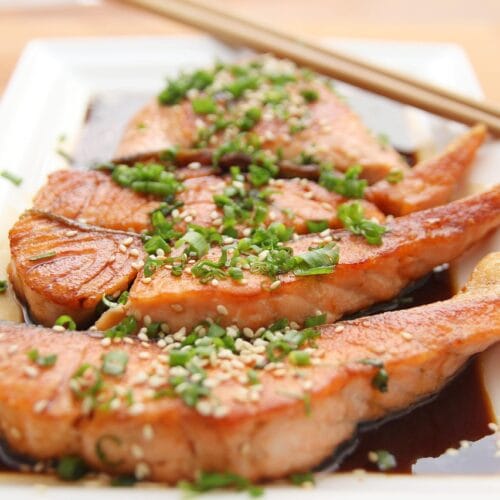
By the end of this section, you’ll have four fillets of tender, flaky salmon under a sticky, glossy glaze, baked hands-off in the oven.
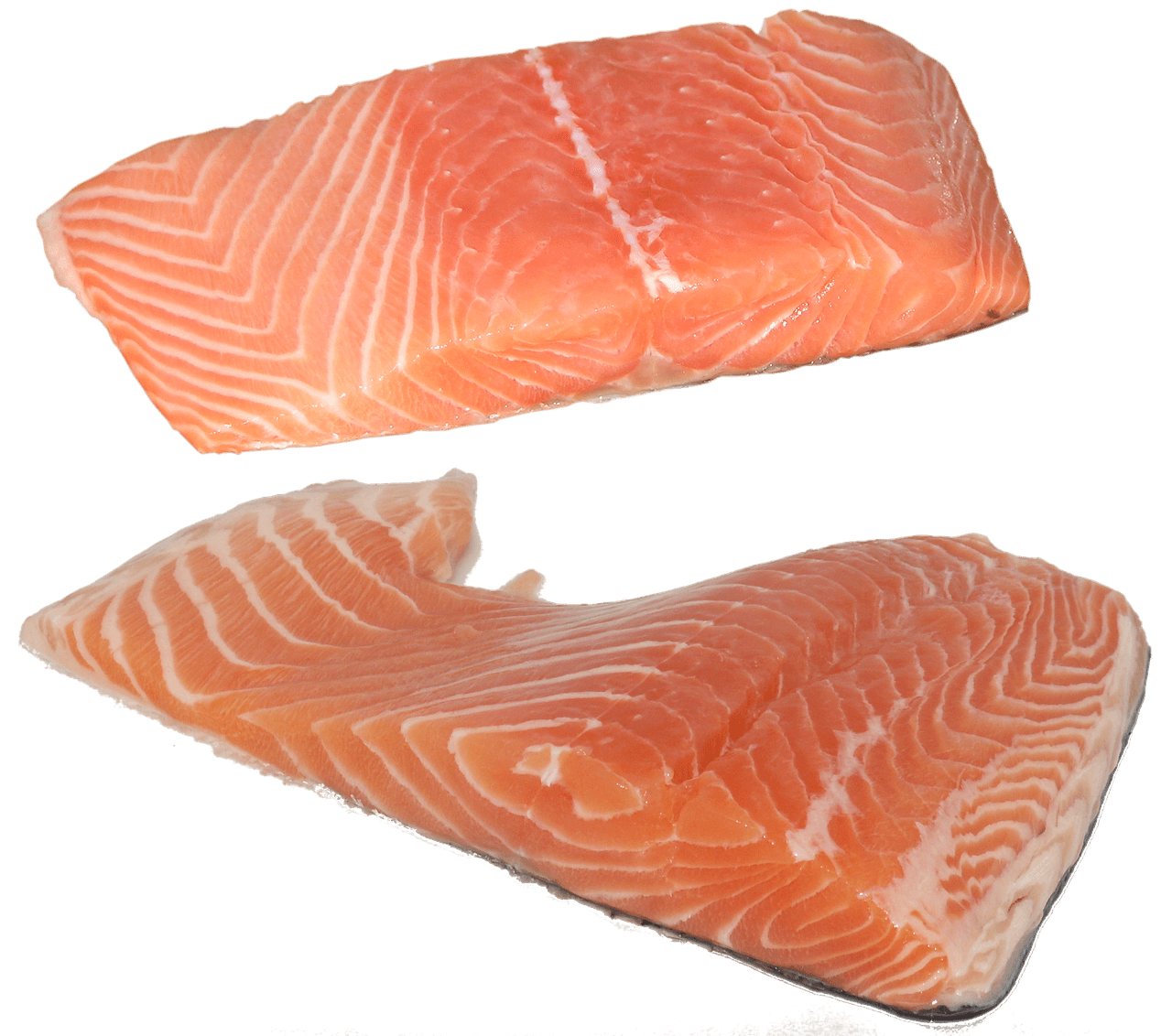
Step 1: Preheat and prep the pan. Preheat the oven to 400°F (204°C). Line a rimmed baking sheet with foil or parchment paper, and pat the salmon fillets dry with a paper towel — this helps the glaze cling instead of sliding off.
Step 2: Make the glaze. In a small saucepan, whisk together the honey, soy sauce, minced garlic, rice vinegar, and ginger. Bring to a light simmer over medium heat for 1-2 minutes. Remove about a third of the glaze to a separate bowl before it touches raw fish — this portion is for basting; the rest stays on the stove to reduce further.
Step 3: Season and arrange. Rub the fillets with olive oil and season lightly with salt and pepper (the soy sauce already carries salt, so go easy). Place them on the baking sheet and brush the tops with the reserved raw-glaze portion.
Step 4: Bake. Bake for 12-15 minutes depending on fillet thickness, basting once with more glaze around the 8-minute mark. Pull the salmon when it flakes easily with a fork and reaches an internal temperature of at least 145°F (63°C).
Verification: insert an instant-read thermometer into the thickest part of a fillet — 145°F (63°C) is fully cooked and still moist. If you prefer a slightly softer, more medium center, 125-130°F (52-54°C) is a common home-cook target, though the FDA’s food-safety benchmark is 145°F.
Step 5: Thicken the remaining glaze. While the salmon bakes, return the rest of the glaze to the stovetop over medium-low heat and simmer for 2-3 minutes until syrupy. Stir in the cornstarch-water slurry and simmer 1 more minute if you want it thicker.
Step 6: Glaze and garnish. Brush the baked salmon with the thickened glaze, then top with sliced scallions and sesame seeds before serving.
Is Baked Salmon Actually a Healthy Weeknight Choice?
Salmon’s popularity isn’t just about flavor. The Dietary Guidelines for Americans recommend adults eat at least 8 ounces of seafood per week, and salmon is specifically named as a top choice for being high in EPA and DHA omega-3 fatty acids while staying low in mercury (U.S. Dept. of Agriculture / HHS, Dietary Guidelines for Americans, Part D Ch. 9). The American Heart Association goes further, recommending two servings of fatty fish like salmon per week specifically to help reduce the risk of heart disease and stroke (American Heart Association; confirmed via Seafood Nutrition Partnership).
Baking rather than frying also keeps the dish closer to that intent — the glaze adds sweetness and salt, but no additional oil beyond a light rub, unlike a deep-fried or heavily buttered preparation.
What to Serve With Baked Honey Garlic Salmon
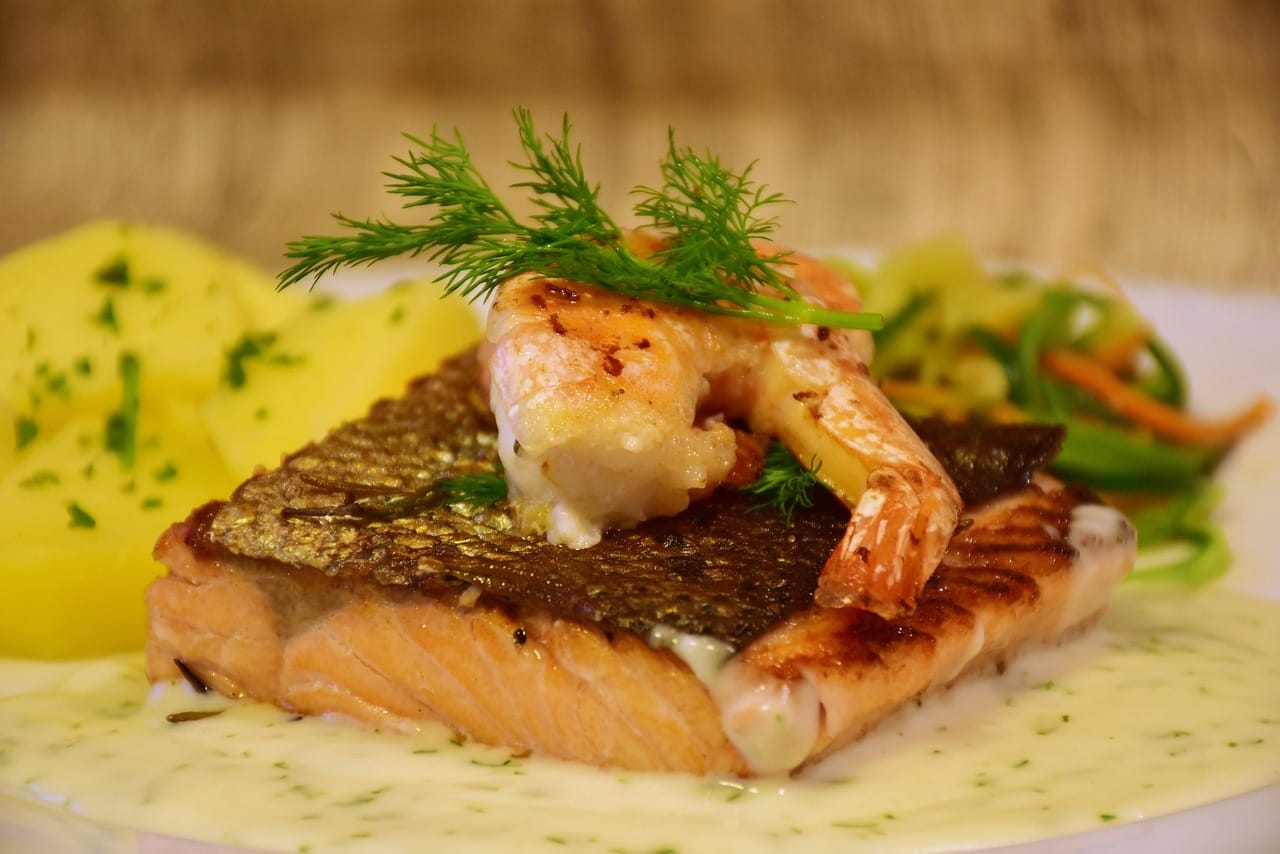
This glaze leans into the same soy-and-garlic flavor family as a few other dinners on this site. If you like the sweet-savory combination here, our shaking beef recipe uses a similar garlic-forward, umami-heavy sauce on a different protein, and our sweet potato miso soup makes an easy soy-adjacent side or starter for the same meal.
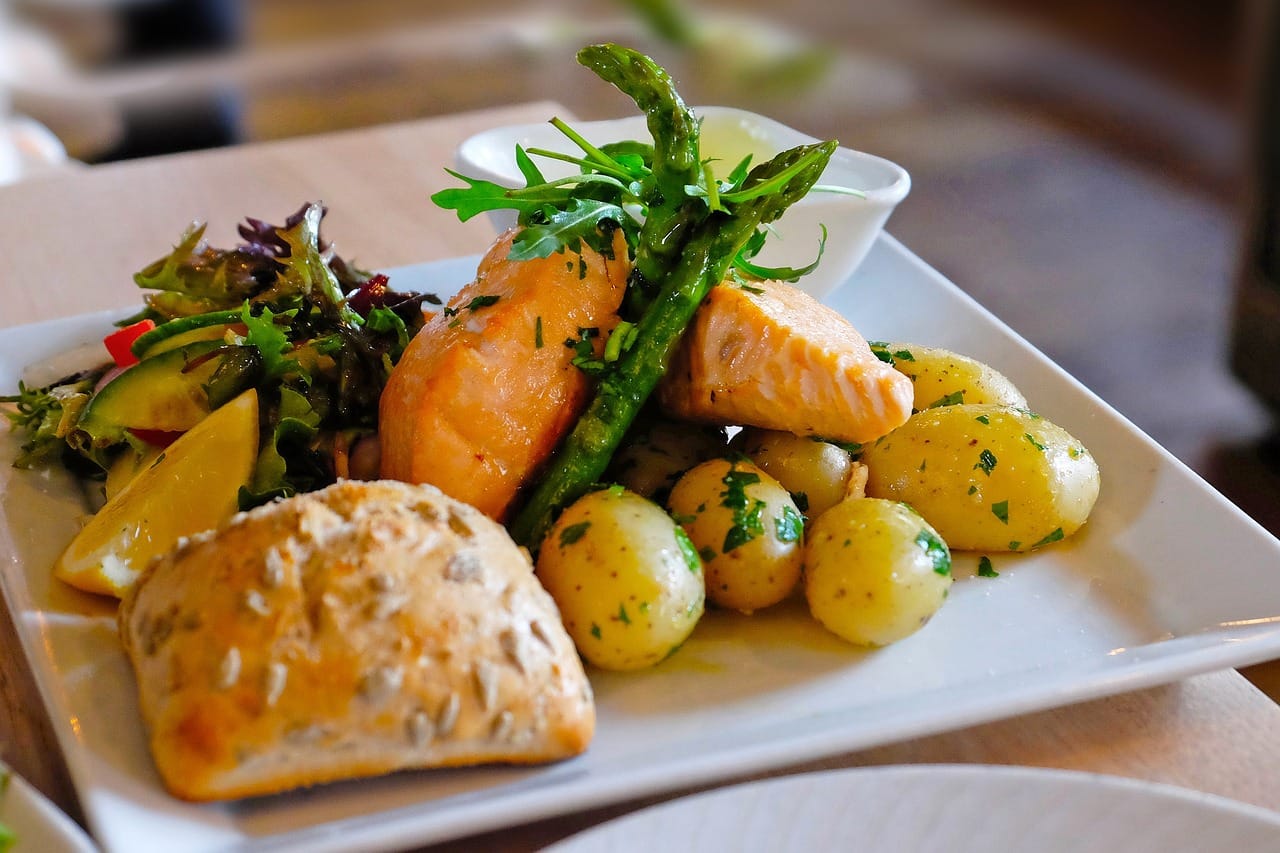
For something simpler, steamed jasmine rice or rice noodles soak up the extra glaze well, and a quick-blistered green like broccolini or snap peas rounds out the plate without much extra effort. Roasted potatoes and other roasted vegetables work too, if you’d rather keep everything in the same 400°F oven at once.
Common Mistakes to Avoid
1. Skipping the pat-dry step. Wet salmon straight from the package won’t let the glaze cling properly, and it can also release excess moisture in the oven that thins out the sauce. Pat each fillet dry before seasoning.
2. Overcrowding the baking sheet. Fillets touching each other cook unevenly and steam instead of glazing properly. Leave at least an inch of space between each piece.
3. Guessing doneness instead of checking it. Salmon goes from perfectly moist to dry in just a couple of minutes in a hot oven. An instant-read thermometer pulled at 145°F (63°C) removes the guesswork.
4. Adding all the glaze before baking. If you brush on the full batch of glaze before the fish goes in the oven, the sugar in the honey can scorch by the time the salmon finishes cooking. Reserve a portion for basting partway through and for the final finish after baking.
5. Using cold, straight-from-the-fridge fillets. Letting the salmon sit at room temperature for 10-15 minutes before baking helps it cook more evenly, especially in the center of thicker fillets.
Why This Fits Busy Weeknights
Dinner remains the most stressful meal of the day for nearly half of parents, and 89% say they keep quick-meal staples on hand specifically to manage that pressure on busy nights (Armour Mealtime Pressure Index, Armour Meats, 2026 — brand-commissioned survey data, included as supporting context rather than a sole source). A recipe like this one, with a short active-prep window and a mostly hands-off bake, fits that need directly: chop garlic, whisk a glaze, and let the oven do the rest.
Frequently Asked Questions
Can I use frozen salmon for this recipe?
Yes. Thaw it fully in the refrigerator overnight (or use a cold-water thaw for about an hour) and pat it very dry before seasoning — frozen salmon releases more moisture than fresh, and skipping the dry-off step is the most common reason the glaze slides off instead of clinging.
What internal temperature should baked salmon reach?
145°F (63°C) is the FDA’s food-safety benchmark and the temperature this recipe is written for. Some home cooks prefer pulling salmon at 125-130°F (52-54°C) for a softer, more medium center — that’s a personal preference call, not a food-safety one.
| Doneness | Internal temperature | Texture |
|---|---|---|
| Medium (some cooks’ preference) | 125-130°F (52-54°C) | Soft, slightly translucent center |
| Well-done (FDA food-safety benchmark) | 145°F (63°C) | Fully opaque, flakes easily with a fork |
Can I make this with a different fish?
Yes. Firmer, similarly thick fillets like arctic char or steelhead trout work well with the same glaze and timing. For a thinner, more delicate fillet like tilapia, start checking doneness a few minutes earlier.
How do I store and reheat leftovers?
Refrigerate in an airtight container for up to 3 days. Reheat gently in a 275°F (135°C) oven for about 10 minutes, or in short bursts in the microwave, to avoid drying it out further.
Conclusion
Baked honey garlic salmon earns its growing popularity honestly: a short, mostly hands-off bake, a glaze built from ingredients most kitchens already have, and a protein that’s now the second most-consumed seafood in the country. Pat the fillets dry, reserve part of the glaze for basting and finishing separately, and pull the salmon at 145°F — those three habits are what separate a sticky, glossy result from a dry one.
Try it this week alongside one of the sides above, and pair the leftover glaze method with your favorite weeknight protein.
Baked Honey Garlic Salmon Recipe
Equipment
- Rimmed baking sheet
- Small Saucepan
- Instant-read thermometer
Ingredients
Salmon and Glaze
- 4 fillets salmon about 6 oz each, skin-on or skinless
- 1/3 cup honey
- 3 tablespoons soy sauce or tamari for gluten-free
- 4 cloves garlic minced
- 1 tablespoon rice vinegar or apple cider vinegar
- 1 teaspoon fresh ginger grated, optional
- 1 tablespoon olive oil
- salt to taste
- black pepper to taste
- 1 teaspoon cornstarch optional, for a thicker glaze
- 1 tablespoon water optional, mixed with cornstarch
Garnish
- 2 tablespoons scallions sliced
- 1 tablespoon sesame seeds
Instructions
- Step 1: Preheat the oven to 400°F (204°C). Line a rimmed baking sheet with foil or parchment paper, and pat the salmon fillets dry with a paper towel — this helps the glaze cling instead of sliding off.
- Step 2: In a small saucepan, whisk together the honey, soy sauce, minced garlic, rice vinegar, and ginger. Bring to a light simmer over medium heat for 1-2 minutes. Remove about a third of the glaze to a separate bowl before it touches raw fish — this portion is for basting; the rest stays on the stove to reduce further.
- Step 3: Rub the fillets with olive oil and season lightly with salt and pepper (the soy sauce already carries salt, so go easy). Place them on the baking sheet and brush the tops with the reserved raw-glaze portion.
- Step 4: Bake for 12-15 minutes depending on fillet thickness, basting once with more glaze around the 8-minute mark. Pull the salmon when it flakes easily with a fork and reaches an internal temperature of at least 145°F (63°C).
- Step 5: While the salmon bakes, return the rest of the glaze to the stovetop over medium-low heat and simmer for 2-3 minutes until syrupy. Stir in the cornstarch-water slurry and simmer 1 more minute if you want it thicker.
- Step 6: Brush the baked salmon with the thickened glaze, then top with sliced scallions and sesame seeds before serving.
Notes
- Pat the fillets dry before seasoning so the glaze clings instead of sliding off.
- Reserve part of the glaze for basting and finishing separately — do not brush on the full batch before baking, or the sugar can scorch.
- Use an instant-read thermometer and pull the salmon at 145°F for food-safe doneness.
- For leftovers, refrigerate in an airtight container for up to 3 days and reheat gently in a 275°F oven for about 10 minutes.