
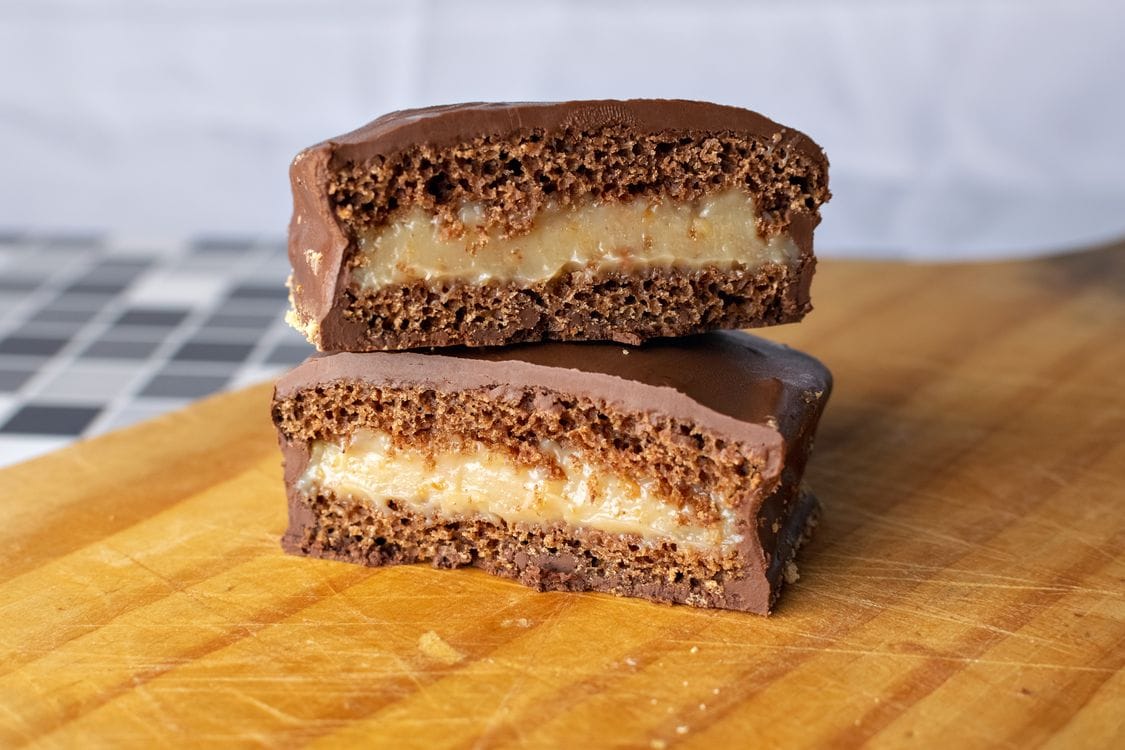
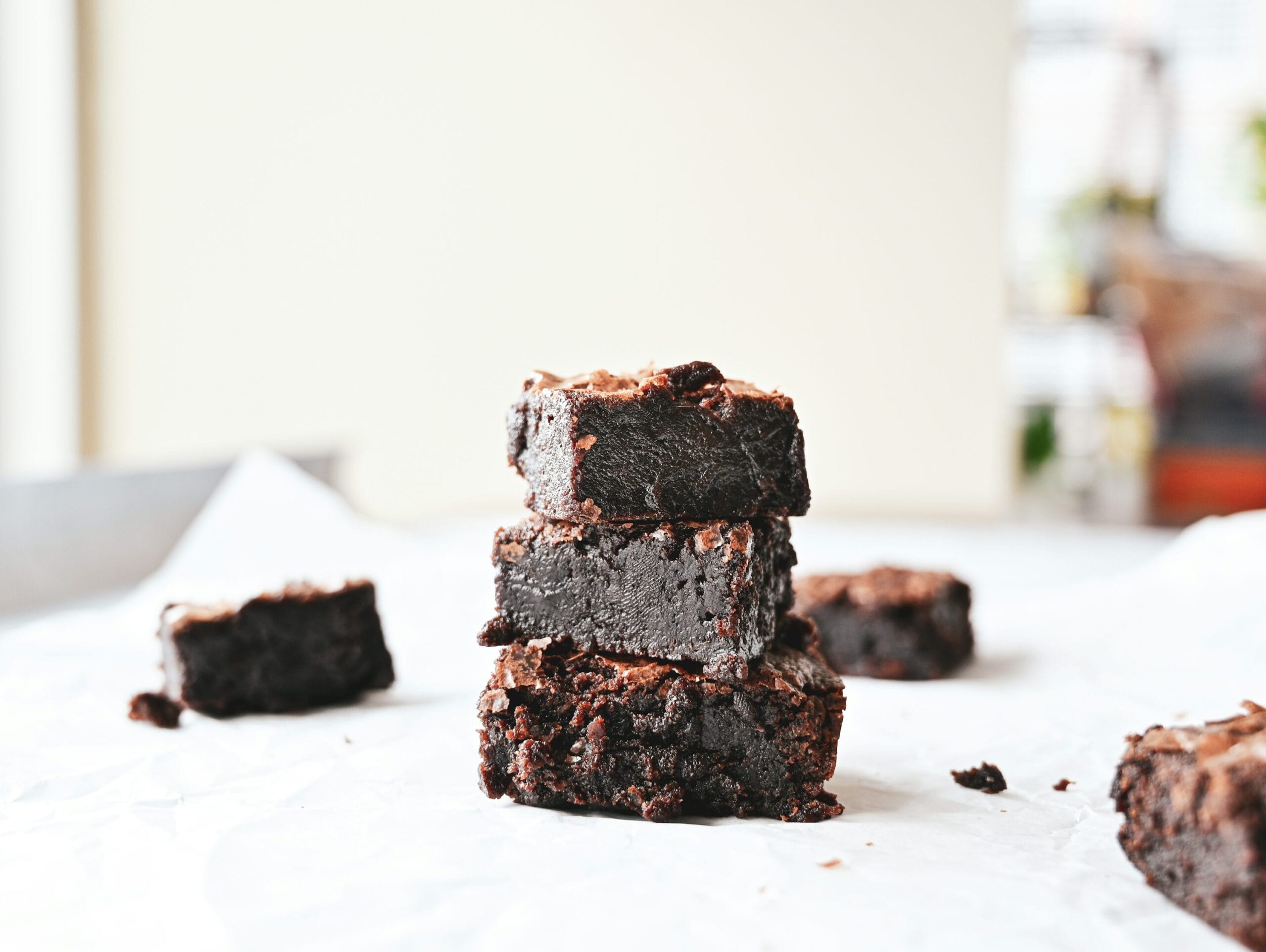
This brownie cake recipe splits the difference between a brownie and a cake on purpose. It’s the dessert you make when a regular brownie feels too small and a layer cake feels like too much work.
You’ll get the ingredient ratios that control fudgy versus cakey texture, a one-bowl method with no mixer required, a from-scratch chocolate ganache, and the mistakes that most often turn a fudgy brownie cake into a dry one.
Key Takeaways
- Fudgy texture comes down to ratio, not luck: more fat and chocolate relative to flour, and fewer leaveners, is what keeps a brownie cake dense instead of fluffy (King Arthur Baking, 2025).
- 28% of all U.S. adults bake mostly from scratch and 19% rely mainly on mixes, together making up the 47% of U.S. adults who bake regularly (Mintel, US Baking and Mixes Market Report 2025-2030, 2025).
- Pinterest’s 2026 trend forecast points toward “elevated home cooking” — restaurant-style, plated desserts — after several years of 15-minute-dinner content dominating the platform (Pinterest Predicts 2026; NBC News coverage).
- Overmixing the batter is the single most common reason a brownie cake bakes up cakey instead of fudgy.
Chocolate Demand Keeps Climbing
The global chocolate market was valued at $129.6 billion in 2025 and is projected to reach $175.7 billion by 2035 (Grand View Research, August 2026 update). A rich, chocolate-forward dessert like this one sits right in the middle of that demand curve.
Why This Brownie Cake Recipe Sits Between a Brownie and a Cake
A brownie cake is a real category with a real ratio behind it, not a marketing gimmick. Regular cakes lean on flour and leavening (baking powder or soda) to build structure and rise. Brownies flip that: more fat and chocolate relative to flour, little or no leavening, which is what keeps the crumb dense and fudgy instead of light and airy (King Arthur Baking, “Types of brownies: fudgy, chewy, and cakey explained”, May 2025). This brownie cake recipe uses a small amount of baking powder, just enough to let it rise into cake-height slices without losing the fudgy interior a brownie is known for.
| Brownie style | Fat relative to flour | Eggs | Leavening | Texture |
|---|---|---|---|---|
| Fudgy | High | Fewer whole eggs, sometimes extra yolks | None or minimal | Dense, moist, slightly gooey center |
| Chewy | Moderate | Whole eggs, sometimes an extra white | Minimal | Dense but not gooey, chewy edges |
| Cakey | Lower | More eggs, more air incorporated | Baking powder or soda | Light, tender, closer to a chocolate cake |
This brownie cake recipe sits closest to the fudgy column, with just enough baking powder to lift it into cake-style slices.
What You’ll Need
Here’s everything you need for this brownie cake recipe.
Difficulty: Beginner
Time: About 1 hour 30 minutes (20 minutes prep, 35 minutes bake, cooling and ganache time included)
Serves: 12
For the brownie cake:
- 1 cup (2 sticks) unsalted butter, melted
- 2 cups granulated sugar
- 4 large eggs, room temperature
- 1 tbsp vanilla extract
- 1 cup all-purpose flour
- 3/4 cup unsweetened cocoa powder
- 1/2 tsp salt
- 1/2 tsp baking powder
- 1 cup semi-sweet chocolate chips, divided
For the ganache:
- 1 cup heavy cream
- 8 oz semi-sweet chocolate, chopped
- Pinch of salt
Equipment:
- 9×13-inch baking pan
- Parchment paper
- Two mixing bowls
- Whisk and spatula
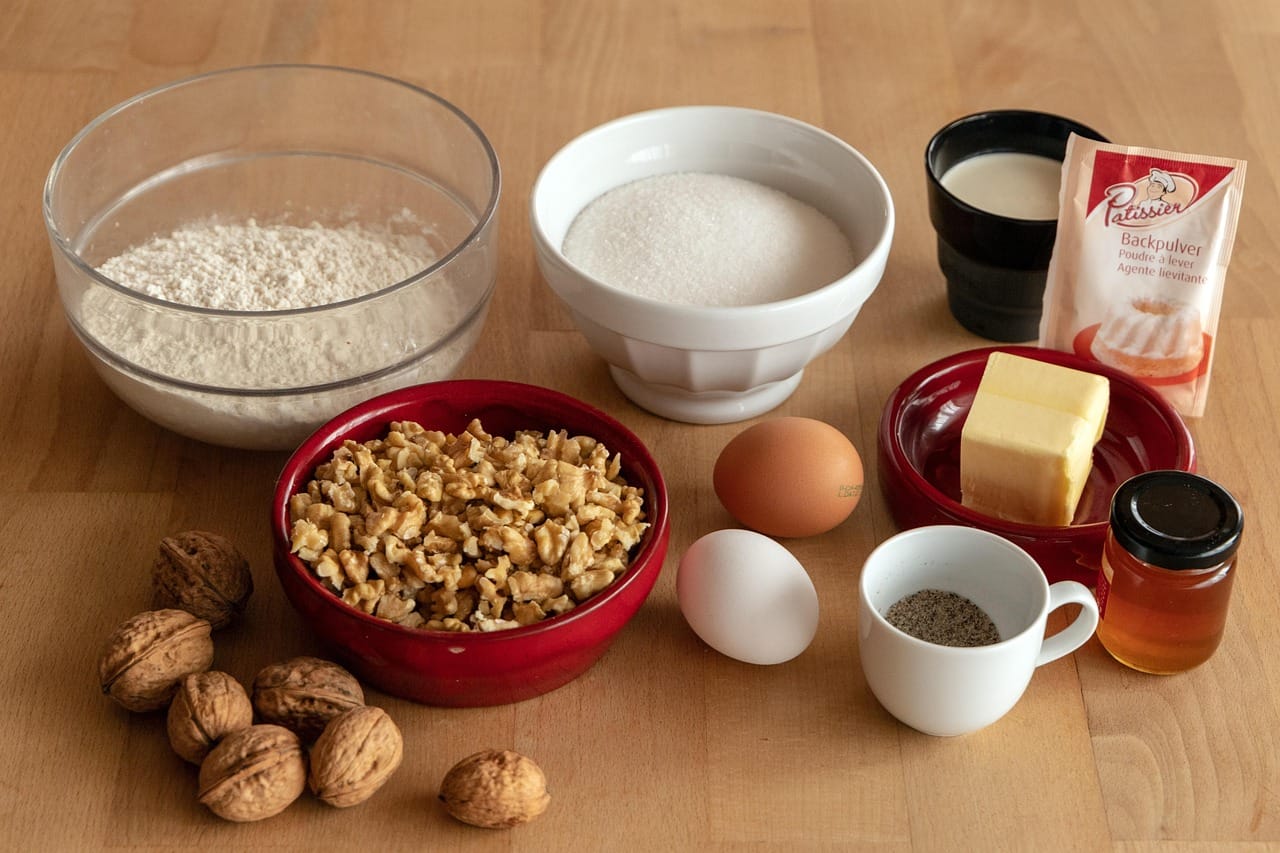
How to Make This Fudgy Brownie Cake Recipe
By the end of this section, you’ll have a fully baked, cooled brownie cake ready for ganache — no stand mixer needed.
Step 1: Prep the pan and oven. Preheat the oven to 350°F (177°C). Line a 9×13-inch pan with parchment paper, leaving an overhang on two sides for easy removal, and lightly grease the paper.
Step 2: Mix the wet ingredients. Whisk the melted butter and sugar together until combined. Add the eggs one at a time, whisking well after each addition, then whisk in the vanilla extract.
Step 3: Fold in the dry ingredients. Sift the flour, cocoa powder, salt, and baking powder over the wet mixture. Fold gently with a spatula just until no dry streaks remain. This is the step that decides texture — overmixing develops gluten and pushes the result toward cakey instead of fudgy.
Step 4: Add the chocolate chips and bake. Fold in 3/4 cup of the chocolate chips, reserving the rest for topping. Pour the batter into the prepared pan, spread evenly, and bake for 30-35 minutes, until a toothpick inserted in the center comes out with a few moist crumbs — not wet batter, not completely clean.
Verification: the center should look slightly underbaked compared to the edges when it comes out of the oven. It firms up as it cools, and pulling it too late is the most common way to lose the fudgy texture.
Step 5: Cool completely. Cool the cake in the pan on a wire rack for at least 1 hour before adding ganache. Cutting or topping it warm will make the ganache slide off instead of setting.
If your baking list leans savory as often as sweet, our baked orange roughy recipe is another oven-baked staple worth keeping in rotation.
How to Make the Chocolate Ganache
By the end of this section, you’ll have the smooth, pourable ganache this brownie cake recipe is finished with.
Step 1: Heat the cream. Heat the heavy cream in a small saucepan over medium-low heat until it just begins to simmer around the edges — don’t let it come to a full boil.
Step 2: Pour over the chocolate. Pour the hot cream over the chopped chocolate and a pinch of salt in a heatproof bowl. Let it sit undisturbed for 2 minutes so the chocolate softens evenly.
Step 3: Whisk until smooth. Whisk from the center outward until the ganache is glossy and fully combined, with no streaks of unmelted chocolate.
Step 4: Top and set. Pour the ganache over the cooled cake and spread it to the edges with an offset spatula. Scatter the remaining chocolate chips on top. Let it set at room temperature for 20-30 minutes, or in the fridge for about 10 minutes, before slicing.
Why Home Baking Is Worth the Extra Steps
Scratch bakers are already the larger group among regular bakers, and 43% of home bakers say baking gives them a sense of comfort (Mintel, US Baking and Mixes Market Report 2025-2030, 2025). Pinterest’s 2026 forecast points the same direction: “elevated home cooking,” meaning restaurant-style, plated desserts, is gaining ground on the platform (Pinterest Predicts 2026), a shift NBC News also covered. This brownie cake recipe fits that shift exactly: it looks like more effort than it takes, because the technique is closer to a brownie’s one-bowl method than a layered cake’s. Pair a rich, chocolate-heavy slice with something tart to cut it, like our rhubarb crisp recipe, for a dessert table that covers both ends of the flavor spectrum.
Common Mistakes to Avoid
1. Overmixing the batter. Folding past the point where dry streaks disappear incorporates air and develops gluten, both of which push the texture toward cakey. Stop as soon as the batter looks uniform.
2. Overbaking. Because this brownie cake recipe is meant to be fudgy, it should come out of the oven looking slightly underdone in the center. If you wait for a fully clean toothpick, you’ve likely baked past the fudgy stage.
3. Topping the cake while it’s still warm. Ganache poured on a warm cake will melt, thin out, and slide instead of setting into a clean layer. Let the cake cool completely first.
4. Boiling the cream for the ganache. A full boil can scorch the cream and separate the ganache. Pull it off the heat as soon as it starts to simmer at the edges.
5. Using cold, straight-from-the-fridge eggs. Cold eggs can cause the melted butter to seize slightly, leading to an uneven batter. Let eggs sit at room temperature for about 20 minutes before mixing.
Storage and Make-Ahead Tips
This brownie cake recipe keeps well after baking. Store it covered at room temperature for up to 2 days, or in the refrigerator for up to 5 days — the ganache holds up well chilled. Let refrigerated slices sit at room temperature for 15-20 minutes before serving so the fudgy texture isn’t stiff from the cold.
To freeze, wrap the un-topped cake tightly in plastic wrap, then foil, and freeze for up to 3 months. Thaw overnight in the refrigerator, then make and add the ganache fresh before serving.
Frequently Asked Questions
Why did my brownie cake turn out cakey instead of fudgy?
The most common causes are overmixing the batter, using too much flour relative to fat and chocolate, or baking past the point where the center still looks slightly underdone. Measure flour by spooning it into the cup and leveling it off, rather than scooping directly from the bag, which can pack in extra flour.
Can I use a boxed brownie mix instead of making it from scratch?
Yes — a boxed mix baked in a 9×13 pan and topped with the ganache in this brownie cake recipe will work, though the texture and depth of chocolate flavor will differ from the from-scratch version. Follow the box’s bake time and check a few minutes early, since ovens vary.
Can I make this recipe without a 9×13 pan?
Yes. An 8×8 or 9×9 pan will work but will be noticeably thicker and need roughly 10-15 extra minutes of bake time — watch for the same moist-crumb toothpick test rather than relying on the time alone.
How do I know when the ganache is the right consistency to pour?
It should be glossy, smooth, and pourable but not runny — similar to warm chocolate syrup. If it looks grainy or separated, whisk in a tablespoon of warm cream at a time until it comes back together.
Conclusion
This fudgy brownie cake recipe comes down to three things: a high ratio of fat and chocolate to flour, a light hand when folding the batter, and pulling it from the oven before the center looks fully set. Those three habits do more for the final texture than any specific brand of cocoa powder or chocolate chip.
Give it a try this week, and let the ganache set fully before you cut into it — that patience is what turns a good slice into a clean, glossy one.
Looking for another rich dessert? Try our strawberry cottage cheese ice cream for a lighter pairing that balances out a slice of this cake.
Fudgy Brownie Cake Recipe
Equipment
- 9×13-inch baking pan
- Parchment paper
- Whisk and spatula
Ingredients
Brownie Cake
- 1 cup unsalted butter melted (2 sticks)
- 2 cups granulated sugar
- 4 large eggs room temperature
- 1 tablespoon vanilla extract
- 1 cup all-purpose flour
- 3/4 cup unsweetened cocoa powder
- 1/2 teaspoon salt
- 1/2 teaspoon baking powder
- 1 cup semi-sweet chocolate chips divided
Chocolate Ganache
- 1 cup heavy cream
- 8 oz semi-sweet chocolate chopped
- salt a pinch
Instructions
Brownie Cake
- Step 1: Preheat the oven to 350°F (177°C). Line a 9×13-inch pan with parchment paper, leaving an overhang on two sides, and lightly grease the paper.
- Step 2: Whisk the melted butter and sugar together until combined. Add the eggs one at a time, whisking well after each addition, then whisk in the vanilla extract.
- Step 3: Sift the flour, cocoa powder, salt, and baking powder over the wet mixture. Fold gently with a spatula just until no dry streaks remain — overmixing pushes the texture toward cakey instead of fudgy.
- Step 4: Fold in 3/4 cup of the chocolate chips, reserving the rest for topping. Pour into the prepared pan and bake for 30-35 minutes, until a toothpick comes out with a few moist crumbs.
- Step 5: Cool in the pan on a wire rack for at least 1 hour before adding ganache.
Chocolate Ganache
- Step 1: Heat the heavy cream in a small saucepan until it just begins to simmer at the edges — do not let it boil.
- Step 2: Pour the hot cream over the chopped chocolate and a pinch of salt in a heatproof bowl. Let sit for 2 minutes.
- Step 3: Whisk from the center outward until smooth and glossy.
- Step 4: Pour over the fully cooled cake and spread to the edges. Scatter the remaining chocolate chips on top. Let set at room temperature for 20-30 minutes before slicing.
Notes
- Fold the batter gently and stop as soon as no dry streaks remain — overmixing is the top cause of a cakey (not fudgy) texture.
- Pull the cake when the center still looks slightly underbaked; it firms up as it cools.
- Let the cake cool completely before adding ganache, or it will slide instead of setting.
- Store covered at room temperature up to 2 days, or refrigerated up to 5 days.